

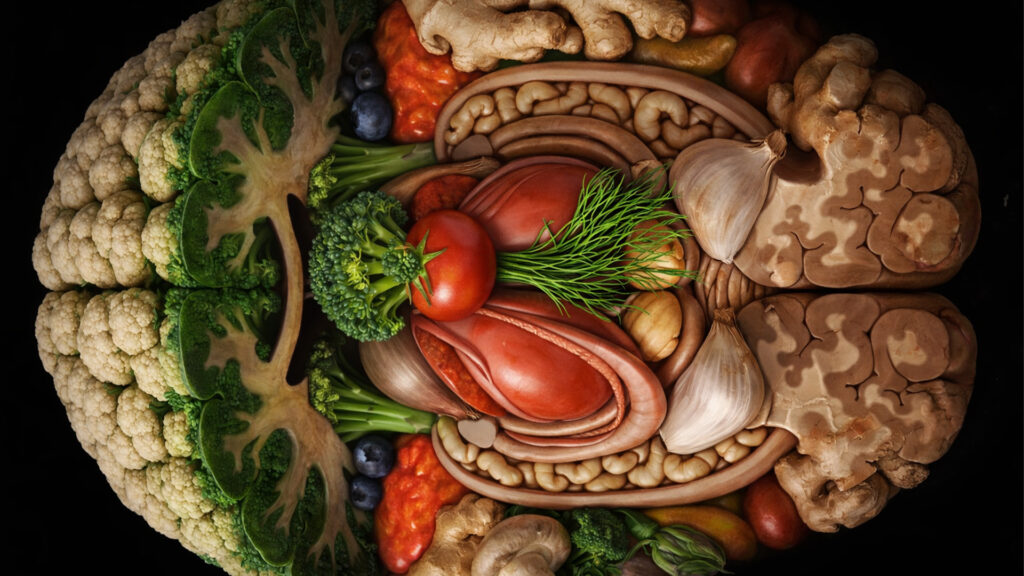
Herbs for the PINAL GLAND
Herbs For The Pinal Gland Tamarind Tamarind Tamarind has been used for centuries in African and Asian cuisines not just for taste, but because its sourness naturally stimulates digestion. How it’s consumed: Fresh pulp in food Tamarind juice or tea As a paste in sauces and stews Tamarind Tamarind Tamarind has been used for centuries in African and Asian cuisines not just for taste, but because its sourness naturally stimulates digestion. How it’s consumed: Fresh pulp in food Tamarind juice or tea As a paste in sauces and stews Tamarind Tamarind Tamarind has been used for centuries in African and Asian cuisines not just for taste, but because its sourness naturally stimulates digestion. How it’s consumed: Fresh pulp in food Tamarind juice or tea As a paste in sauces and stews Tamarind Tamarind Tamarind has been used for centuries in African and Asian cuisines not just for taste, but because its sourness naturally stimulates digestion. How it’s consumed: Fresh pulp in food Tamarind juice or tea As a paste in sauces and stews Tamarind Tamarind Tamarind has been used for centuries in African and Asian cuisines not just for taste, but because its sourness naturally stimulates digestion. How it’s consumed: Fresh pulp in food Tamarind juice or tea As a paste in sauces and stews Tamarind Tamarind Tamarind has been used for centuries in African and Asian cuisines not just for taste, but because its sourness naturally stimulates digestion. How it’s consumed: Fresh pulp in food Tamarind juice or tea As a paste in sauces and stews 1 Comment Ntokozo NdukulaDecember 18, 2025 at 5:57 pm | Edit I love this Reply Leave a Reply Cancel reply Logged in as Ntokozo Ndukula. Edit your profile. Log out? Required fields are marked * Message*
Spirulina: Benefits, Nutrients, Downsides & Health Recommendations
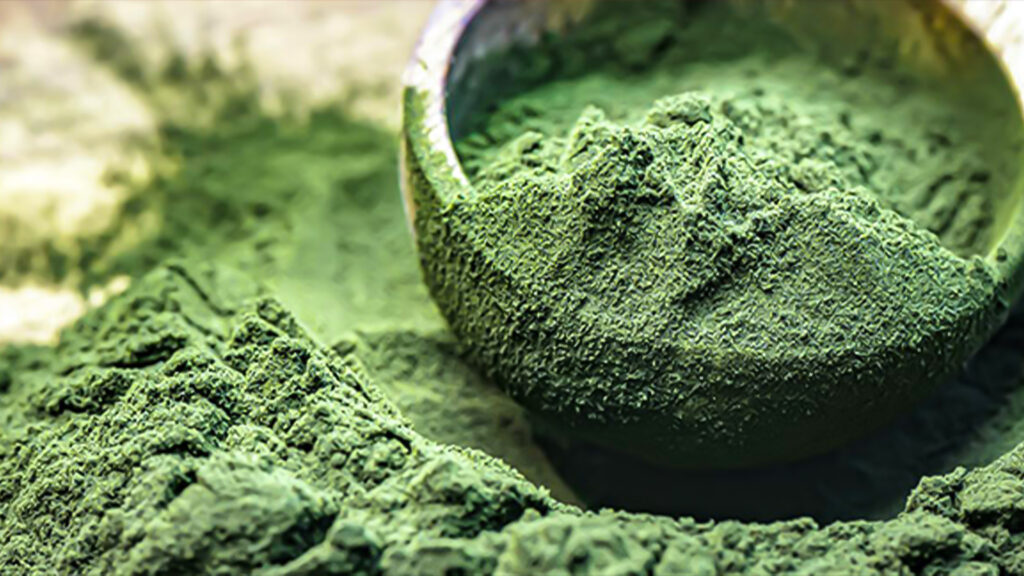
Spirulina Benefits, Nutrients, Downsides & Health Recommendations Fact Fiction Spirulina is nutrient-dense Spirulina is one of the most nutrient-rich natural foods available. It contains high levels of plant protein, iron, antioxidants, and essential vitamins and minerals. This concentration of nutrients is why spirulina is often referred to as a “superfood,” especially for people with busy or physically demanding lifestyles. Spirulina cures diseases Spirulina is not a cure for any disease. While it can support general health and wellness, it should never be viewed as a replacement for medical treatment or professional healthcare advice. Spirulina In the world of natural wellness, few supplements have gained as much attention as spirulina. Often referred to as a superfood, this blue-green algae has been used for centuries and is now widely recognized for its powerful nutritional profile and health benefits. But what exactly is spirulina, and is it right for everyone? What is Spirulina? Spirulina is a natural algae scientifically known as Arthrospira. It grows in alkaline freshwater lakes and is commonly consumed in powder, tablet, or capsule form. Thanks to its dense nutrient content, spirulina is considered one of the most nutrient-rich foods on the planet. Frequently Asked Questions Can spirulina be taken every day? Yes. Spirulina is generally safe for daily use when taken in recommended doses. Consistency often delivers better results than occasional use. How long does it take to see results from spirulina? Some people notice increased energy within a few days, while benefits such as improved immunity or skin health may take 2–4 weeks of regular use. Is spirulina good for weight loss? Spirulina may support weight management by improving metabolism, reducing appetite, and increasing energy levels, but it works best alongside a balanced diet and active lifestyle. Is spirulina safe for vegetarians and vegans? Absolutely. Spirulina is plant-based and a great source of protein and iron, making it especially beneficial for vegetarians and vegans. Can spirulina be taken on an empty stomach? Yes. Spirulina is often taken on an empty stomach, especially in the morning, to improve absorption and energy levels. However, people with sensitive stomachs may prefer taking it with food to avoid mild nausea. Does spirulina interact with medication? Spirulina may interact with certain medications, especially blood thinners or immune-suppressing drugs. If you are on chronic medication or have an existing medical condition, it’s best to consult a healthcare professional before adding spirulina to your routine. Advertise With Visible Content We help businesses grow visibility, engagement, and impact across web, social media, and digital platforms. Text Us
Spirulina: Benefits, Nutrients, Downsides & Health Recommendations
Spirulina Benefits, Nutrients, Downsides & Health Recommendations Fact Fiction Spirulina is nutrient-dense Spirulina is one of the most nutrient-rich natural foods available. It contains high levels of plant protein, iron, antioxidants, and essential vitamins and minerals. This concentration of nutrients is why spirulina is often referred to as a “superfood,” especially for people with busy or physically demanding lifestyles. Spirulina cures diseases Spirulina is not a cure for any disease. While it can support general health and wellness, it should never be viewed as a replacement for medical treatment or professional healthcare advice. Spirulina In the world of natural wellness, few supplements have gained as much attention as spirulina. Often referred to as a superfood, this blue-green algae has been used for centuries and is now widely recognized for its powerful nutritional profile and health benefits. But what exactly is spirulina, and is it right for everyone? What is Spirulina? Spirulina is a natural algae scientifically known as Arthrospira. It grows in alkaline freshwater lakes and is commonly consumed in powder, tablet, or capsule form. Thanks to its dense nutrient content, spirulina is considered one of the most nutrient-rich foods on the planet. Frequently Asked Questions Can spirulina be taken every day? Yes. Spirulina is generally safe for daily use when taken in recommended doses. Consistency often delivers better results than occasional use. How long does it take to see results from spirulina? Some people notice increased energy within a few days, while benefits such as improved immunity or skin health may take 2–4 weeks of regular use. Is spirulina good for weight loss? Spirulina may support weight management by improving metabolism, reducing appetite, and increasing energy levels, but it works best alongside a balanced diet and active lifestyle. Is spirulina safe for vegetarians and vegans? Absolutely. Spirulina is plant-based and a great source of protein and iron, making it especially beneficial for vegetarians and vegans. Can spirulina be taken on an empty stomach? Yes. Spirulina is often taken on an empty stomach, especially in the morning, to improve absorption and energy levels. However, people with sensitive stomachs may prefer taking it with food to avoid mild nausea. Does spirulina interact with medication? Spirulina may interact with certain medications, especially blood thinners or immune-suppressing drugs. If you are on chronic medication or have an existing medical condition, it’s best to consult a healthcare professional before adding spirulina to your routine. Advertise With Visible Content We help businesses grow visibility, engagement, and impact across web, social media, and digital platforms. Text Us
Spirulina: Benefits, Nutrients, Downsides & Health Recommendations
Spirulina Benefits, Nutrients, Downsides & Health Recommendations Fact Fiction Spirulina is nutrient-dense Spirulina is one of the most nutrient-rich natural foods available. It contains high levels of plant protein, iron, antioxidants, and essential vitamins and minerals. This concentration of nutrients is why spirulina is often referred to as a “superfood,” especially for people with busy or physically demanding lifestyles. Spirulina cures diseases Spirulina is not a cure for any disease. While it can support general health and wellness, it should never be viewed as a replacement for medical treatment or professional healthcare advice. Spirulina In the world of natural wellness, few supplements have gained as much attention as spirulina. Often referred to as a superfood, this blue-green algae has been used for centuries and is now widely recognized for its powerful nutritional profile and health benefits. But what exactly is spirulina, and is it right for everyone? What is Spirulina? Spirulina is a natural algae scientifically known as Arthrospira. It grows in alkaline freshwater lakes and is commonly consumed in powder, tablet, or capsule form. Thanks to its dense nutrient content, spirulina is considered one of the most nutrient-rich foods on the planet. Frequently Asked Questions Can spirulina be taken every day? Yes. Spirulina is generally safe for daily use when taken in recommended doses. Consistency often delivers better results than occasional use. How long does it take to see results from spirulina? Some people notice increased energy within a few days, while benefits such as improved immunity or skin health may take 2–4 weeks of regular use. Is spirulina good for weight loss? Spirulina may support weight management by improving metabolism, reducing appetite, and increasing energy levels, but it works best alongside a balanced diet and active lifestyle. Is spirulina safe for vegetarians and vegans? Absolutely. Spirulina is plant-based and a great source of protein and iron, making it especially beneficial for vegetarians and vegans. Can spirulina be taken on an empty stomach? Yes. Spirulina is often taken on an empty stomach, especially in the morning, to improve absorption and energy levels. However, people with sensitive stomachs may prefer taking it with food to avoid mild nausea. Does spirulina interact with medication? Spirulina may interact with certain medications, especially blood thinners or immune-suppressing drugs. If you are on chronic medication or have an existing medical condition, it’s best to consult a healthcare professional before adding spirulina to your routine. Advertise With Visible Content We help businesses grow visibility, engagement, and impact across web, social media, and digital platforms. Text Us
Spirulina: Benefits, Nutrients, Downsides & Health Recommendations
Spirulina Benefits, Nutrients, Downsides & Health Recommendations Fact Fiction Spirulina is nutrient-dense Spirulina is one of the most nutrient-rich natural foods available. It contains high levels of plant protein, iron, antioxidants, and essential vitamins and minerals. This concentration of nutrients is why spirulina is often referred to as a “superfood,” especially for people with busy or physically demanding lifestyles. Spirulina cures diseases Spirulina is not a cure for any disease. While it can support general health and wellness, it should never be viewed as a replacement for medical treatment or professional healthcare advice. Spirulina In the world of natural wellness, few supplements have gained as much attention as spirulina. Often referred to as a superfood, this blue-green algae has been used for centuries and is now widely recognized for its powerful nutritional profile and health benefits. But what exactly is spirulina, and is it right for everyone? What is Spirulina? Spirulina is a natural algae scientifically known as Arthrospira. It grows in alkaline freshwater lakes and is commonly consumed in powder, tablet, or capsule form. Thanks to its dense nutrient content, spirulina is considered one of the most nutrient-rich foods on the planet. Frequently Asked Questions Can spirulina be taken every day? Yes. Spirulina is generally safe for daily use when taken in recommended doses. Consistency often delivers better results than occasional use. How long does it take to see results from spirulina? Some people notice increased energy within a few days, while benefits such as improved immunity or skin health may take 2–4 weeks of regular use. Is spirulina good for weight loss? Spirulina may support weight management by improving metabolism, reducing appetite, and increasing energy levels, but it works best alongside a balanced diet and active lifestyle. Is spirulina safe for vegetarians and vegans? Absolutely. Spirulina is plant-based and a great source of protein and iron, making it especially beneficial for vegetarians and vegans. Can spirulina be taken on an empty stomach? Yes. Spirulina is often taken on an empty stomach, especially in the morning, to improve absorption and energy levels. However, people with sensitive stomachs may prefer taking it with food to avoid mild nausea. Does spirulina interact with medication? Spirulina may interact with certain medications, especially blood thinners or immune-suppressing drugs. If you are on chronic medication or have an existing medical condition, it’s best to consult a healthcare professional before adding spirulina to your routine. Advertise With Visible Content We help businesses grow visibility, engagement, and impact across web, social media, and digital platforms. Text Us
Spirulina: Benefits, Nutrients, Downsides & Health Recommendations
Spirulina Benefits, Nutrients, Downsides & Health Recommendations Fact Fiction Spirulina is nutrient-dense Spirulina is one of the most nutrient-rich natural foods available. It contains high levels of plant protein, iron, antioxidants, and essential vitamins and minerals. This concentration of nutrients is why spirulina is often referred to as a “superfood,” especially for people with busy or physically demanding lifestyles. Spirulina cures diseases Spirulina is not a cure for any disease. While it can support general health and wellness, it should never be viewed as a replacement for medical treatment or professional healthcare advice. Spirulina In the world of natural wellness, few supplements have gained as much attention as spirulina. Often referred to as a superfood, this blue-green algae has been used for centuries and is now widely recognized for its powerful nutritional profile and health benefits. But what exactly is spirulina, and is it right for everyone? What is Spirulina? Spirulina is a natural algae scientifically known as Arthrospira. It grows in alkaline freshwater lakes and is commonly consumed in powder, tablet, or capsule form. Thanks to its dense nutrient content, spirulina is considered one of the most nutrient-rich foods on the planet. Frequently Asked Questions Can spirulina be taken every day? Yes. Spirulina is generally safe for daily use when taken in recommended doses. Consistency often delivers better results than occasional use. How long does it take to see results from spirulina? Some people notice increased energy within a few days, while benefits such as improved immunity or skin health may take 2–4 weeks of regular use. Is spirulina good for weight loss? Spirulina may support weight management by improving metabolism, reducing appetite, and increasing energy levels, but it works best alongside a balanced diet and active lifestyle. Is spirulina safe for vegetarians and vegans? Absolutely. Spirulina is plant-based and a great source of protein and iron, making it especially beneficial for vegetarians and vegans. Can spirulina be taken on an empty stomach? Yes. Spirulina is often taken on an empty stomach, especially in the morning, to improve absorption and energy levels. However, people with sensitive stomachs may prefer taking it with food to avoid mild nausea. Does spirulina interact with medication? Spirulina may interact with certain medications, especially blood thinners or immune-suppressing drugs. If you are on chronic medication or have an existing medical condition, it’s best to consult a healthcare professional before adding spirulina to your routine. Advertise With Visible Content We help businesses grow visibility, engagement, and impact across web, social media, and digital platforms. Text Us
Spirulina: Benefits, Nutrients, Downsides & Health Recommendations
Spirulina Benefits, Nutrients, Downsides & Health Recommendations Fact Fiction Spirulina is nutrient-dense Spirulina is one of the most nutrient-rich natural foods available. It contains high levels of plant protein, iron, antioxidants, and essential vitamins and minerals. This concentration of nutrients is why spirulina is often referred to as a “superfood,” especially for people with busy or physically demanding lifestyles. Spirulina cures diseases Spirulina is not a cure for any disease. While it can support general health and wellness, it should never be viewed as a replacement for medical treatment or professional healthcare advice. Health Benefits & Nutritional Profile Spirulina is a blue-green microalgae valued for its dense nutritional composition. It naturally contains plant protein, essential amino acids, minerals such as iron and magnesium, vitamins, and natural pigments like phycocyanin. Globally, consumers are interested in its role in supporting general nutrition, antioxidant intake, and overall wellbeing when used as part of a balanced diet. Ingredient Simplicity & Safety Spirulina is typically consumed as a dried powder or tablet made from whole algae biomass. People want assurance that it is free from artificial additives and grown in clean water environments. Since algae can absorb substances from water, transparency about cultivation conditions and basic safety testing is a common consumer concern. Core Vitamins & Minerals Our Services Spirulina is naturally rich in essential vitamins and minerals that support daily energy, immune function, and overall body balance. These nutrients play a vital role in maintaining healthy muscles, supporting metabolism, and promoting long-term wellness as part of a balanced lifestyle. Complete Plant Protein Spirulina contains all essential amino acids, making it a complete plant protein. This supports muscle maintenance, tissue repair, and overall body strength, especially for vegetarians and vegans. Iron Iron in Spirulina contributes to healthy red blood cell formation and oxygen transport in the body. This mineral plays a key role in fighting fatigue and supporting daily energy needs. Vitamin B‑Complex Spirulina provides several B vitamins that support metabolism, brain function, and the nervous system. These vitamins help the body convert food into usable energy. Magnesium Magnesium supports muscle function, relaxation, and nerve signaling. It also plays a role in maintaining healthy bones and reducing everyday stress on the body. FAQ How is Spirulina usually consumed? Spirulina is commonly taken as a powder mixed into smoothies or juices, or as tablets and capsules for convenience. Who should avoid Spirulina? Individuals with autoimmune conditions, allergies to algae, or those who are pregnant should consult a healthcare professional before using Spirulina. Can Spirulina replace meals or supplements? There is no limit to the number of properties you can track. Once you have tracked a property you will be able to track additional properties, make changes to your property relationship and change your primary property. Is Spirulina safe for daily consumption? For most people, Spirulina is safe when consumed in moderate amounts as part of a balanced diet. It is best to start with small quantities and observe how the body responds. 1 Comment Ntokozo NdukulaDecember 18, 2025 at 5:57 pm | Edit I love this Reply Leave a Reply Cancel reply Logged in as Ntokozo Ndukula. Edit your profile. Log out? Required fields are marked * Message*
