

Close
Benefits, Nutrients, Downsides & Health Recommendations
Spirulina is nutrient-dense
Spirulina is one of the most nutrient-rich natural foods available. It contains high levels of plant protein, iron, antioxidants, and essential vitamins and minerals. This concentration of nutrients is why spirulina is often referred to as a “superfood,” especially for people with busy or physically demanding lifestyles.
Spirulina cures diseases
Spirulina is not a cure for any disease. While it can support general health and wellness, it should never be viewed as a replacement for medical treatment or professional healthcare advice.
In the world of natural wellness, few supplements have gained as much attention as spirulina.
Often referred to as a superfood, this blue-green algae has been used for centuries and is now widely recognized for its powerful nutritional profile and health benefits.
But what exactly is spirulina, and is it right for everyone?
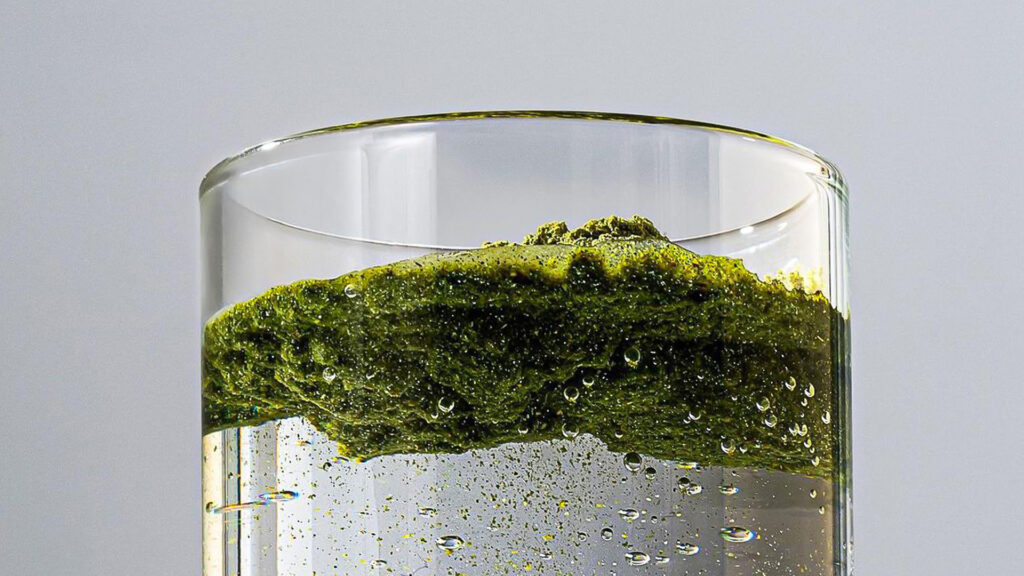
Spirulina is a natural algae scientifically known as Arthrospira.
It grows in alkaline freshwater lakes and is commonly consumed in powder, tablet, or capsule form.
Thanks to its dense nutrient content, spirulina is considered one of the most nutrient-rich foods on the planet.
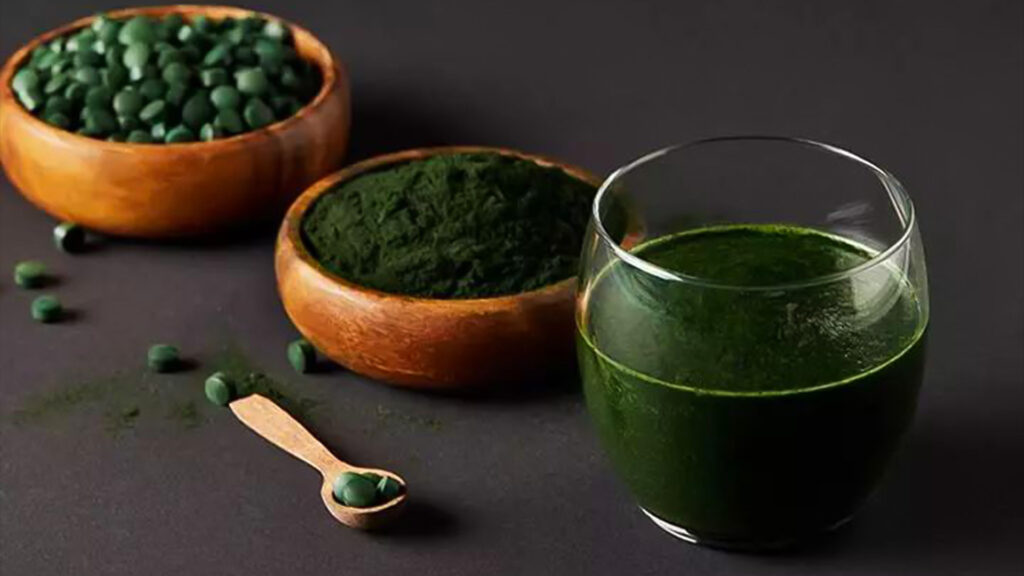
Yes. Spirulina is generally safe for daily use when taken in recommended doses. Consistency often delivers better results than occasional use.
Some people notice increased energy within a few days, while benefits such as improved immunity or skin health may take 2–4 weeks of regular use.
Spirulina may support weight management by improving metabolism, reducing appetite, and increasing energy levels, but it works best alongside a balanced diet and active lifestyle.
Absolutely. Spirulina is plant-based and a great source of protein and iron, making it especially beneficial for vegetarians and vegans.
Yes. Spirulina is often taken on an empty stomach, especially in the morning, to improve absorption and energy levels. However, people with sensitive stomachs may prefer taking it with food to avoid mild nausea.
Spirulina may interact with certain medications, especially blood thinners or immune-suppressing drugs. If you are on chronic medication or have an existing medical condition, it’s best to consult a healthcare professional before adding spirulina to your routine.
We help businesses grow visibility, engagement, and impact across web, social media, and digital platforms.

We commit to transforming your ideas into impactful digital media that builds trust, boosts visibility, and connects your brand with the right audience.
Don’t miss our future updates! Get Subscribed Today!
I love this