

Close
Benefits, Nutrients, Downsides & Health Recommendations
Spirulina is nutrient-dense
Spirulina is one of the most nutrient-rich natural foods available. It contains high levels of plant protein, iron, antioxidants, and essential vitamins and minerals. This concentration of nutrients is why spirulina is often referred to as a “superfood,” especially for people with busy or physically demanding lifestyles.
Spirulina cures diseases
Spirulina is not a cure for any disease. While it can support general health and wellness, it should never be viewed as a replacement for medical treatment or professional healthcare advice.
Spirulina is a blue-green microalgae valued for its dense nutritional composition. It naturally contains plant protein, essential amino acids, minerals such as iron and magnesium, vitamins, and natural pigments like phycocyanin.
Globally, consumers are interested in its role in supporting general nutrition, antioxidant intake, and overall wellbeing when used as part of a balanced diet.
Spirulina is typically consumed as a dried powder or tablet made from whole algae biomass. People want assurance that it is free from artificial additives and grown in clean water environments.
Since algae can absorb substances from water, transparency about cultivation conditions and basic safety testing is a common consumer concern.
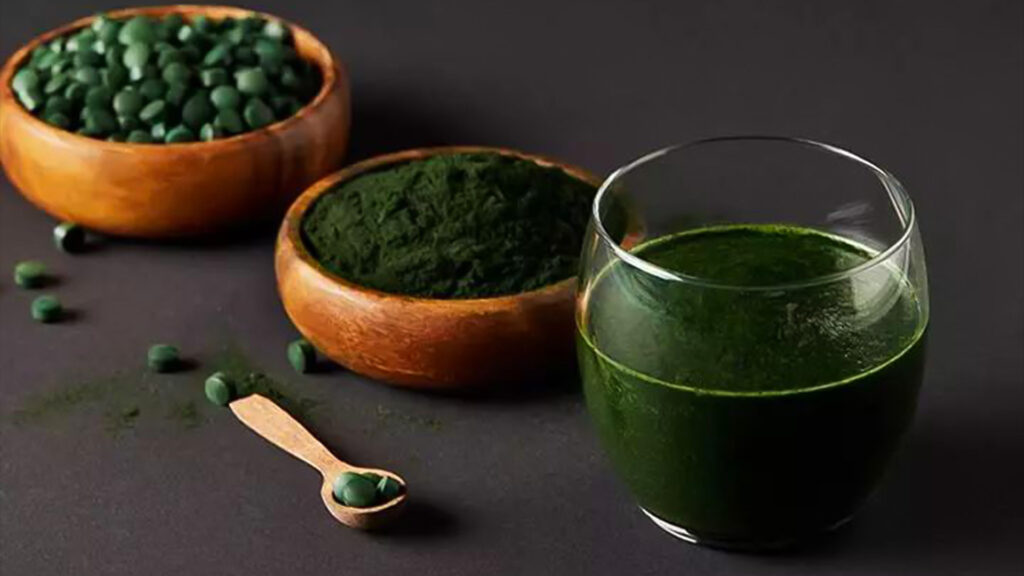
Spirulina is naturally rich in essential vitamins and minerals that support daily energy, immune function, and overall body balance. These nutrients play a vital role in maintaining healthy muscles, supporting metabolism, and promoting long-term wellness as part of a balanced lifestyle.
Spirulina contains all essential amino acids, making it a complete plant protein. This supports muscle maintenance, tissue repair, and overall body strength, especially for vegetarians and vegans.
Iron in Spirulina contributes to healthy red blood cell formation and oxygen transport in the body. This mineral plays a key role in fighting fatigue and supporting daily energy needs.
Spirulina provides several B vitamins that support metabolism, brain function, and the nervous system. These vitamins help the body convert food into usable energy.
Magnesium supports muscle function, relaxation, and nerve signaling. It also plays a role in maintaining healthy bones and reducing everyday stress on the body.
Spirulina is commonly taken as a powder mixed into smoothies or juices, or as tablets and capsules for convenience.
Individuals with autoimmune conditions, allergies to algae, or those who are pregnant should consult a healthcare professional before using Spirulina.
There is no limit to the number of properties you can track. Once you have tracked a property you will be able to track additional properties, make changes to your property relationship and change your primary property.
For most people, Spirulina is safe when consumed in moderate amounts as part of a balanced diet. It is best to start with small quantities and observe how the body responds.

We commit to transforming your ideas into impactful digital media that builds trust, boosts visibility, and connects your brand with the right audience.
Don’t miss our future updates! Get Subscribed Today!
1 Comment
I love this